













Kudos has partnered with CardRatings and Red Ventures for our coverage of credit card products. Kudos, CardRatings, and Red Ventures may receive a commission from card issuers. Kudos may receive commission from card issuers. Some of the card offers that appear on Kudos are from advertisers and may impact how and where card products appear on the site. Kudos tries to include as many card companies and offers as we are aware of, including offers from issuers that don't pay us, but we may not cover all card companies or all available card offers. You don't have to use our links, but we're grateful when you do!

Does Amex Platinum cover rental car insurance?
July 1, 2025



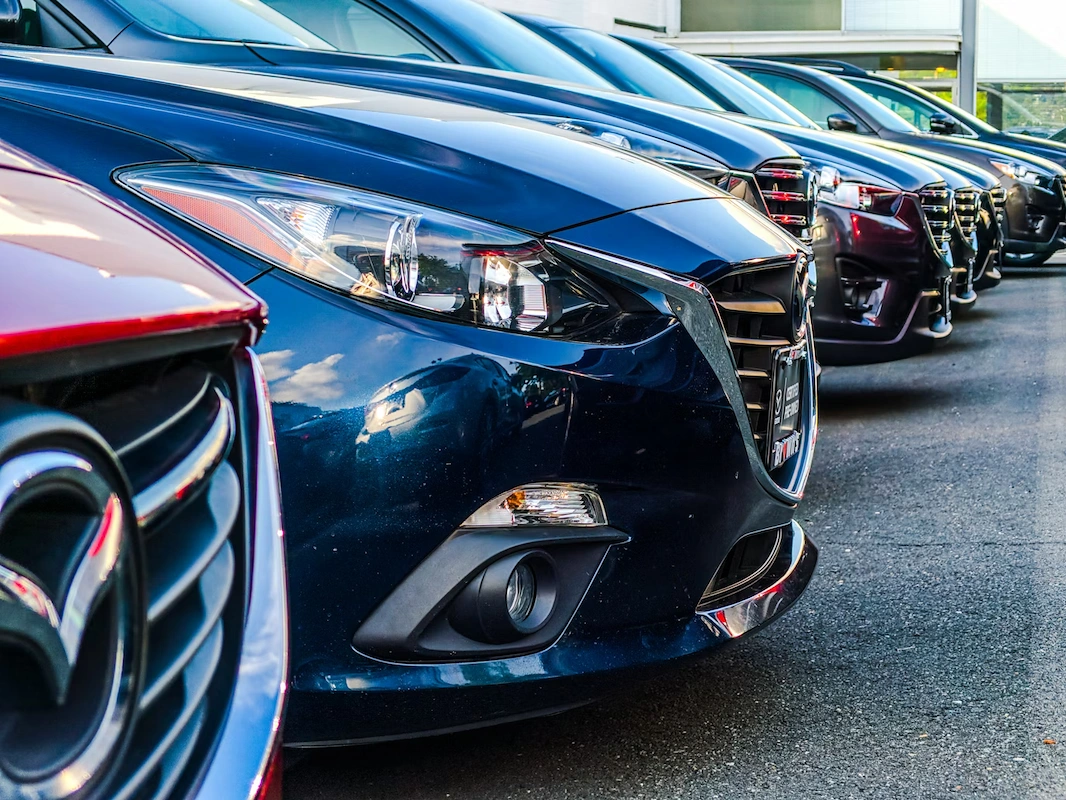
Standing at a rental counter, you're faced with a familiar question: "Would you like to add insurance for $30 per day?" If you're holding the American Express Platinum Card®, you might already have coverage without realizing it.
The American Express Platinum Card® includes rental car insurance as a built-in benefit, but understanding what it covers, when it applies, and where it falls short matters before you decline the rental agency's collision damage waiver. This guide explains how Amex Platinum rental car insurance works, what situations it covers, and how it compares to other premium travel credit cards.
How rental car insurance differs from a rental agency policy
Credit card rental car insurance typically covers damage to or theft of the rental vehicle itself. It does not cover liability for injuries to other people or damage to their property. Rental agency insurance often bundles multiple protections—collision damage waiver (CDW), liability coverage, personal accident insurance, and personal effects coverage—at a daily cost that can add $20 to $40 per day to your rental.
When you use a credit card with rental car insurance, you're relying on the card issuer's coverage instead of purchasing the rental company's collision damage waiver. This can save money, but only if you understand what your credit card actually covers. The insurance provider backing your credit card benefit determines the specific terms, exclusions, and claim procedures.
Common terms you'll see in rental car coverage
Collision damage waiver (CDW) refers to coverage for damage to the rental vehicle. When you decline the rental agency's CDW and pay with an eligible credit card, the card's rental car insurance becomes your protection against damage or theft.
Primary coverage pays first when you file a claim. You don't need to involve your personal auto insurance policy. Secondary coverage applies only after you've exhausted your personal auto insurance. If you don't have personal auto insurance, secondary coverage may still apply, but you'll need to provide documentation proving you have no other insurance coverage.
Car rental loss and damage insurance is the formal term many credit card companies use to describe this benefit. It covers the rental vehicle itself but typically excludes liability, personal belongings, and injuries.

Does Amex Platinum cover rental car insurance?
Yes, the American Express Platinum Card (See Rates & Fees) includes secondary car rental insurance for card members. Coverage applies when you pay for the entire rental with your Platinum Card and decline the rental agency's collision damage waiver. This benefit is automatic—you don't need enrollment or activation before renting a vehicle.
The coverage protects against damage to or theft of the rental vehicle up to $75,000 per rental agreement. This limit applies to the vehicle itself, not to liability for injuries or property damage to others. American Express provides this benefit through Amex Assurance Company, which underwrites the car rental loss and damage insurance.
[[ SINGLE_CARD * {"id": "106", "isExpanded": "false", "bestForCategoryId": "15", "bestForText": "Frequent Travelers", "headerHint": "Generous Travel Rewards"} ]]
What type of coverage does the Platinum Card provide?
Amex Platinum rental car insurance is secondary coverage. If you have personal auto insurance, you must file a claim with your insurance provider first. After your personal insurance pays its portion, Amex coverage may reimburse remaining eligible expenses up to the $75,000 limit.
If you don't have personal auto insurance, you'll need to provide documentation proving you have no other insurance coverage. In that case, Amex coverage may apply as if it were primary insurance, but you'll still need to follow the claims process and provide proof of loss.
The American Express Platinum Card also includes additional protections beyond basic damage insurance. Card members and passengers receive accidental death or dismemberment coverage, accidental injury protection, and personal property coverage for items stolen from or damaged in the rental vehicle. These additional benefits have separate coverage limits and eligibility requirements.

What Amex Platinum rental car insurance covers
Amex Platinum rental car insurance covers:
- Damage to the rental vehicle caused by collision or theft
- Towing charges related to a covered loss
- Reasonable loss-of-use charges assessed by the rental company while the vehicle is being repaired
- Valid and reasonable appraisal fees supported by verifiable documentation
The coverage applies when you pay for the entire rental with your American Express Platinum Card or use Membership Rewards points to cover the rental. This means you're covered even if you redeem Membership Rewards points instead of charging the rental directly to your card.
Card members who pay with their Platinum Card receive protection for themselves, authorized users on the account, their spouse or domestic partner, and authorized drivers listed on the rental agreement. Passengers in the rental vehicle also receive certain protections under the benefit terms.
Covered rental vehicles and limits
Most standard passenger vehicles qualify for coverage, including full-size sedans, SUVs, and minivans. The rental must be for personal use, not commercial purposes. The rental period cannot exceed 30 consecutive days for domestic rentals.
Excluded vehicle types include:
- Cargo vans and box trucks
- Motorcycles and mopeds
- Off-road vehicles
- Vehicles rented through peer-to-peer platforms like Turo
- Antique or exotic vehicles
- Vehicles with a manufacturer's suggested retail price exceeding $85,000
If you need a rental for an extended rental period beyond 30 days, you'll need to purchase separate insurance or rely on your personal auto insurance policy. The American Express benefit does not extend coverage beyond the 30-day limit.
What Amex Platinum rental car insurance does not cover
Amex Platinum rental car insurance does not cover:
- Intentional damage to the vehicle
- Damage caused while driving under the influence of drugs or alcohol
- Damage to the vehicle if it was left unlocked when stolen
- Wear and tear or damage to tires
- Rentals used for rideshare services or vehicle sharing
- Rentals in Australia, Italy, New Zealand, or any country sanctioned by the Office of Foreign Assets Control
If you're renting a vehicle in one of these excluded countries, you'll need to purchase insurance from the rental agency or rely on another credit card with broader geographic coverage. The disclaimer in the American Express benefit guide clearly states these geographic restrictions.
Costs you are still responsible for
Amex Platinum rental car insurance does not include liability coverage. If you cause an accident that injures another person or damages their property, you're responsible for those costs. Your personal insurance policy typically covers liability, but if you don't have personal auto insurance, you'll need to purchase liability coverage from the rental agency.
The benefit also does not cover:
- Personal items that are stolen from the rental vehicle beyond the limited personal property coverage
- Injuries to you or your passengers beyond the accidental injury coverage limits
- Damage to other vehicles or property
- Mechanical breakdown or warranty issues with the rental vehicle
Understanding what the insurance covers versus what it excludes helps you make informed decisions about whether to purchase additional coverage from the rental car company.
Secondary coverage vs primary coverage with Amex
Secondary coverage means you must file a claim with your personal auto insurance first. If your personal insurance pays part of the claim, Amex coverage may reimburse the remaining eligible expenses, including your deductible.
How secondary coverage works for cardholders
For example, if you have a $500 deductible on your personal auto insurance and the rental vehicle sustains $3,000 in damage, your personal insurance would pay $2,500. Amex coverage could reimburse your $500 deductible, assuming the damage qualifies under the benefit terms.
This process requires coordination between your personal insurance provider and American Express. You'll need to submit documentation from your personal insurance claim when filing with American Express, including the claim form, settlement details, and proof of your deductible payment.
When secondary coverage may be a drawback
Filing a claim with your personal auto insurance can affect your premiums. Even if Amex reimburses your deductible, the claim on your personal policy may result in higher insurance rates at renewal.
Processing can also take longer because you're dealing with two insurance companies. You'll need to file a claim with your personal insurance, wait for that claim to be processed, and then submit documentation to American Express for reimbursement.
If you don't have personal auto insurance, secondary coverage may still apply, but you'll need to provide documentation proving you have no other insurance coverage. This adds an extra step to the claims process and may delay reimbursement.
Premium Car Rental Protection from American Express
American Express offers an optional upgrade called Premium Car Rental Protection that converts your rental car insurance to primary coverage. Instead of filing a claim with your personal auto insurance first, you can file directly with American Express.
How Premium Car Rental Protection changes coverage
Premium Car Rental Protection charges a flat fee per rental period (up to 42 days) instead of a daily rate. Costs range from $12.25 to $24.95 based on your state of residence and coverage level. This fee is often lower than purchasing damage insurance from the rental agency, which can cost $20 to $40 per day.
With Premium Car Rental Protection, you get primary insurance that pays first without involving your personal auto insurance. This protects your personal insurance rates from potential increases due to rental car claims. The coverage also includes no deductible, meaning American Express pays the full eligible amount without requiring you to pay anything out of pocket first.
Enrollment and eligibility considerations
You must complete enrollment in Premium Car Rental Protection before renting a vehicle. Once enrolled, coverage is automatically charged to your Amex card for each future rental. You can unenroll at any time through your American Express account.
Coverage terms vary by location and rental vehicle type. Some specialty vehicles and certain countries may still be excluded even with Premium Car Rental Protection. Review the terms carefully before relying on this coverage for an international rental. Eligibility requirements and benefit levels may differ from the standard secondary coverage included with your Platinum Card.

How to activate Amex Platinum rental car insurance
To activate Amex Platinum rental car insurance:
- Pay for the entire rental with your American Express Platinum Card
- Decline the rental agency's collision damage waiver (CDW) or loss damage waiver (LDW)
- Keep your rental agreement and charge receipt
If you accept the rental agency's collision damage waiver, Amex coverage will not apply. The rental agreement must show that you declined the CDW. Rental car company staff will typically ask you to initial or sign acknowledging that you declined their insurance coverage.
Make sure all drivers are listed on the rental agreement. Coverage extends to authorized drivers, but they must be properly documented on the rental agreement at the time of pickup.
Documentation you should keep
Save the following documents in case you need to file a claim:
- Rental agreement showing payment method and that you declined the CDW
- Charge receipt from your American Express Platinum Card
- Damage reports from the rental agency
- Repair estimates or invoices
- Police report if the vehicle was stolen or involved in an accident
Take photos of the rental vehicle before you drive off the lot. Document any existing damage so you're not held responsible for pre-existing issues. Many rental car companies now use digital inspection tools, but having your own photos provides additional protection.
Filing a rental car insurance claim with Amex
If you need to file a claim, start by calling the Benefit Administrator at 1-800-338-1670 or visiting americanexpress.com/protectionbenefits. You must submit a Notice of Claim within 30 days of the loss or as soon as reasonably possible.
What to expect during the claims process
After submitting your Notice of Claim, you may receive a claim form. Complete and return these forms within 15 days. If you don't receive claim forms, submit a letter describing the incident and your claim.
The claims process for secondary coverage requires additional documentation from your personal insurance provider. You'll need to show what your personal insurance paid and what remains unpaid before American Express processes your claim.
Common documents needed
Submit proof of loss within 60 days. Required documents typically include:
- Itemized repair bill or damage estimate
- Rental agreement showing payment method
- Charge receipt from your American Express Platinum Card
- Police report if applicable
- Documentation from your personal auto insurance showing what they paid (if you have personal auto insurance)
- Notarized letter stating you have no personal auto insurance (if applicable)
After providing satisfactory proof of loss, your claim will be reviewed. If approved, payment is typically issued within 30 days. American Express may request additional documentation if the initial submission is incomplete or if questions arise during the review process.
How Amex Platinum compares to other travel credit cards
Some travel rewards cards include primary rental car insurance by default, meaning you don't need to file a claim with your personal auto insurance first. These options may appeal to travelers without personal auto insurance or those who want to avoid potential premium increases.
Cards with primary rental car coverage
[[ COMPARE_CARD * {"ids": ["510", "2888", "509"], "bestCategoryIds":["17", "18", "19"], "bestForTexts":["Frequent Travelers", "Premium Travel Value", "Lower Annual Fee"]} ]]
The Chase Sapphire Reserve® offers primary coverage up to the actual cash value of the rental vehicle for rentals up to 31 days. The card charges an annual fee, which is lower than the American Express Platinum Card's $895 annual fee. For cardholders who prioritize rental car coverage, the Chase Sapphire Reserve provides better value in this specific category.
The Capital One Venture X Rewards Credit Card (See Rates & Fees) also includes primary coverage up to the actual cash value of most rental vehicles worldwide. With an annual fee, it offers primary rental car coverage at a significantly lower cost than the Amex Platinum Card. Capital One provides this benefit automatically without requiring enrollment or additional fees.
The Chase Sapphire Preferred® Card includes primary coverage with a lower annual fee, making it one of the best credit cards for rental car insurance among mid-tier travel credit cards. The lower annual fee makes it accessible to more cardholders while still providing primary insurance.
Comparing annual fees and perks
The American Express Platinum Card charges an $895 annual fee, which is among the highest in the premium credit card category. However, the card offers extensive perks beyond rental car insurance:
- Access to Centurion Lounges and other airport lounge networks through the Global Lounge Collection
- Up to $200 in annual airline fee credits
- Up to $200 in annual Uber credits
- Up to $300 in annual statement credits for eligible purchases at select merchants
- Complimentary elite status with Hertz, Avis, and National rental car companies
- Travel rewards earning rates of 5X Membership Rewards points on flights and prepaid hotels booked through American Express Travel
For cardholders who maximize these perks, the annual fee can be justified even though the rental car insurance is secondary rather than primary coverage. However, if rental car coverage is your primary concern, cards with lower annual fees and primary coverage may provide better value.
Rental car companies and loyalty program considerations
Amex Platinum rental car insurance applies regardless of which rental agency you use, as long as you meet the coverage requirements. The American Express Platinum Card also includes complimentary elite status with three major rental car companies:
- Avis Preferred Plus: Free one-class upgrade on midsize vehicles or above, expedited service at participating locations, and up to 25% discount on rentals
- Hertz President's Circle: 50% points bonus on qualified rentals, guaranteed upgrades at participating locations, and up to 20% discount on rentals
- National Car Rental Emerald Club Executive: Rent any full-size or above car and pay the midsize rate, guaranteed vehicle upgrades, and one free rental day after six qualifying rentals
These status benefits are separate from rental car insurance. You'll still need to pay for the rental with your American Express Platinum Card and decline the CDW to activate insurance coverage.
Elite status and rental perks
Elite status with rental car companies can improve your rental experience through upgrades, expedited checkout, and discounts. However, these perks don't change your insurance eligibility. You must still follow the same steps to activate Amex Platinum rental car insurance: pay with your card and decline the rental agency's CDW.
When Amex Platinum rental car insurance makes sense
Ideal scenarios for Platinum Card coverage
Amex Platinum rental car insurance works well for:
- Short rentals where secondary coverage is sufficient and you don't mind involving your personal auto insurance if needed
- Travelers with comprehensive auto insurance who are comfortable filing a claim with their personal policy first
- Domestic rentals where you're familiar with your personal insurance coverage and comfortable with the secondary coverage structure
If you already carry comprehensive auto insurance with a low deductible, Amex's secondary coverage can reimburse your deductible after your personal insurance pays its portion.
When another credit card may be better
Consider a different credit card if:
- You don't have personal auto insurance: Cards with primary coverage like the Chase Sapphire Reserve or Chase Sapphire Preferred Card may be more practical
- You want to avoid involving your personal insurance: Primary coverage cards don't require filing a claim with your personal policy first
- You rent cars frequently: Paying for Premium Car Rental Protection on every rental adds up; a card with built-in primary coverage may offer better value
- You're renting internationally: Some cards offer better international rental coverage without geographic restrictions
How Kudos helps you choose the right credit card for rental car coverage
Kudos Explore shows which credit cards offer primary or secondary rental car coverage, making it easy to compare options side by side. You can filter by annual fee, coverage type, and other travel benefits to find cards that match your rental car needs.
Instead of reading through multiple benefit guides, Kudos displays rental car insurance details alongside other perks like lounge access, travel credits, and rewards rates. This helps you see the full picture of what each card offers.
FAQs about Amex Platinum’s rental insurance
Does Amex Platinum rental car insurance work internationally?
Amex Platinum rental car insurance applies in many countries, but excludes rentals in Australia, Italy, New Zealand, and any countries sanctioned by the Office of Foreign Assets Control. Coverage terms may vary by location, so review the benefit guide before renting internationally.
Does the insurance cover damage caused by another driver?
Coverage depends on the nature of the damage and your claim documentation. If another driver damages the rental vehicle and you have their insurance information, you may file a claim with their insurance first. Amex coverage may apply if the other driver's insurance doesn't fully cover the damage.
Is liability insurance included with Amex Platinum?
No, Amex Platinum rental car insurance does not include liability coverage for injuries to other people or damage to their property. You'll need separate liability insurance, either from your personal auto insurance policy or purchased from the rental agency.
Do authorized users get rental car insurance coverage?
Yes, authorized users on the American Express Platinum Card are covered when they pay for the rental with their authorized user card and decline the rental agency's collision damage waiver. The same coverage terms and limits apply.
Test Drive with Kudos before applying
Kudos Test Drive lets you preview how rewards and travel benefits would work with your actual spending patterns. You can see whether a card's rental car coverage, combined with its other perks, justifies the annual fee based on how you travel.
This feature helps you make informed decisions without guessing which card fits your travel habits. You'll know whether primary rental car coverage matters enough to choose a different card over the American Express Platinum Card.
Unlock your extra benefits when you become a Kudos member



Turn your online shopping into even more rewards


Join over 400,000 members simplifying their finances



Editorial Disclosure: Opinions expressed here are those of Kudos alone, not those of any bank, credit card issuer, hotel, airline, or other entity. This content has not been reviewed, approved or otherwise endorsed by any of the entities included within the post.

.webp)







.webp)