








Kudos has partnered with CardRatings and Red Ventures for our coverage of credit card products. Kudos, CardRatings, and Red Ventures may receive a commission from card issuers. Kudos may receive commission from card issuers. Some of the card offers that appear on Kudos are from advertisers and may impact how and where card products appear on the site. Kudos tries to include as many card companies and offers as we are aware of, including offers from issuers that don't pay us, but we may not cover all card companies or all available card offers. You don't have to use our links, but we're grateful when you do!

How to Get a Credit Card Retention Offer and Keep Your Annual Fee Worth It
September 27, 2026
.webp)



Every year, cardholders pay hundreds of dollars in annual fees and wonder: is this card still worth it? The answer is often yes, but only if you know how to ask.
Credit card retention offers are one of the most underused tools in personal finance. A single phone call (or even a chat message) can net you hundreds of dollars in statement credits, tens of thousands of bonus points, or an outright annual fee waiver. Yet most people cancel their cards without ever asking.
This guide breaks down exactly how retention offers work, which issuers are most likely to offer them, and the strategies that get results.
What Is a Credit Card Retention Offer?
A retention offer is an incentive your card issuer extends when they believe you might cancel or downgrade your card. Issuers would rather give you $200 in value than lose your account entirely, and they have systems in place to identify cardholders who are on the fence.
Common retention offer types include:
- Statement credits: a direct dollar offset against your annual fee
- Bonus points or miles: a lump-sum or spend-based point bonus
- Annual fee waivers: partial or full removal of the annual fee
- Spend-based bonuses: earn X points after spending Y in Z days
- Category bonuses: temporary elevated earn rates on specific purchases
The key is that the issuer won't volunteer these offers. You have to initiate the conversation.

When to Call (Timing Matters)
The optimal window is within 30 days before or after your annual fee posts. This is when issuers are most prepared to make retention offers and most motivated to prevent cancellations.
Calling too early (before the fee posts) may result in "no offer available." Calling more than 30 days after the fee posts reduces your leverage. Some issuers allow a grace period during which the fee can still be refunded if you cancel after calling; it's worth asking.

What to Say When You Call
This matters more than most people realize.
Don't say "cancel" to automated systems. Many issuers route calls with cancellation language to an automated closure flow before you ever reach a human. Instead, use phrasing like:
"My annual fee just posted. I'm evaluating whether this card still makes sense for me. Are there any retention offers available on my account?"
If the rep walks through your card benefits first, that's fine; acknowledge you're familiar and redirect to the offer question. Once connected to a human, ask directly: "Is there anything available to offset the annual fee?"
Issuer-by-Issuer Success Rates
Based on 392 community-verified data points from r/churning, here's how each major issuer actually performs on retention offers.
1. Citi: Highest Offer Rate
86% of callers received an offer | 75% accepted (91 data points)
Citi edges out every other issuer in raw offer rate. Most offers are structured as spend-based bonuses or statement credits. A few things stand out in the data:
- Reps often present multiple offer options in a single call (four distinct options were documented on the Citi Prestige)
- The "hang up, call again" (HUCA) method is validated here; cardholders who called back after an initial denial frequently received an offer on the second or third attempt
- Low-spend and no-spend cardholders still received offers, suggesting Citi's model doesn't strictly gate on spending level
Top Citi cards for retention offers:
- Citi Strata Premier® Card
- Citi® / AAdvantage® Platinum Select® World Elite Mastercard®
- Citi Prestige Card
[[ COMPARE_CARD * {"ids": ["7783", "572", "556"], "bestCategoryIds":["17", "18", "19"], "bestForTexts":["Robust Rewards Program", "Free First Checked Bag", "Generous Earning Rates"]} ]]
2. American Express: Very High Offer Rate
80% of callers received an offer | 71% accepted (180 data points, the largest dataset)
Amex has the most data in this set, and the results hold up across card types. A few things stand out:
- Offers are frequently tied to your account profile, not just what you say on the call
- Amex online chat is confirmed effective; many cardholders report faster results than calling
- Low and no-spend cardholders received offers regularly; the spend level affected the offer size, not necessarily the availability
- Multiple offer formats (points vs. statement credit) are commonly presented as a choice
Top Amex cards for retention offers:
- American Express Platinum Card®
- American Express® Gold Card
- Hilton Honors American Express Aspire Card
- Hilton Honors American Express Surpass® Card
- Delta SkyMiles® Platinum American Express Card
- Delta SkyMiles® Reserve American Express Card
- Blue Cash Preferred® Card from American Express
Note on voice biometrics: Amex uses passive voice biometrics to verify callers. If you've enrolled in this, be aware that any third-party calling on your behalf may trigger step-up verification.
[[ CARD_LIST * {"ids": ["106", "118", "1066", "1064", "789", "781", "261"]} ]]
Terms apply to American Express benefits and offers. Enrollment may be required for select American Express benefits and offers. Visit americanexpress.com to learn more. Eligibility and Benefit level vary by Card. Terms, Conditions, and Limitations Apply. Please visit americanexpress.com/benefitsguide for more details. Underwritten by Amex Assurance Company.
3. Barclaycard: Underrated and Underreported
78% of callers received an offer | 71% accepted (41 data points, primarily Aviator Red)
Barclaycard is absent from most retention offer guides, which is a blind spot. The data shows it performs comparably to Amex, and the Aviator Red card in particular showed near-automatic fee waivers.
- Several users received fee waiver offers before explicitly asking, with proactive outreach from the issuer
- The fee waiver + miles combo (annual fee waived + 5,000 miles for $1,000 spend in 90 days) was the most consistent offer pattern in the entire dataset
Top Barclaycard cards for retention offers:
[[ COMPARE_CARD * {"ids": ["13", "217"], "bestCategoryIds":["17", "18", "19"], "bestForTexts":["Airline-Specific Perks", "Travel Redemptions"]} ]]
4. Chase: Low Success Rate
46% of callers received an offer | 41% accepted (70 data points)
Chase is the most popular card issuer in the rewards space, and its retention offer track record is worth knowing upfront: "no offer" was the single most common outcome, representing 53% of calls in the dataset.
Even documented cases of five years of card tenure and $35,000+ annual spend on the Sapphire Preferred resulted in no offer. The HUCA method is less consistent here than with Amex or Citi.
The most common resolution after a no-offer outcome is a downgrade to a no-fee card (Freedom, Freedom Unlimited), which is worth asking about if the annual fee isn't justified.
Chase cards where offers are occasionally documented:
- Chase Sapphire Preferred® Card
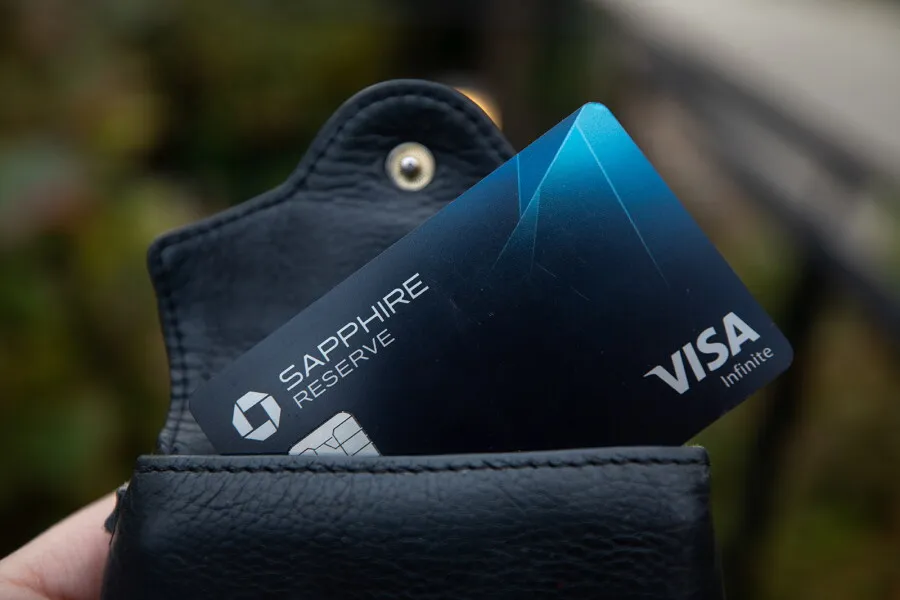
- Chase Sapphire Reserve®
- Chase Ink Plus Business Credit Card
- IHG One Rewards Premier Credit Card
- United℠ Explorer Card
[[ CARD_LIST * {"ids": ["509", "510", "505", "502", "2406"]} ]]
5. Bank of America: Low Success Rate
43% of callers received an offer | 29% accepted (7 data points; treat directionally)
Limited data, primarily from Alaska Airlines cardholders. Small miles bonuses (2,500-5,000 miles) were the only offers observed. Most calls resulted in card closure with no offer.
6. Capital One: Rarely Offers Retention Incentives
Capital One's model relies on fixed product benefits rather than negotiated retention offers. Their reps are known to direct callers to cancel online rather than engage in retention conversations.
Strategies That Get Results
Time It Right
Call within 30 days of your annual fee posting. That's the window when issuers expect retention calls and have offers queued.
Use Amex Chat
Amex's online chat is confirmed effective for pulling retention offers and is often faster than calling. If you have an Amex card, try chat first.
Don’t Say “Cancel” to Automated Systems
Route around automatic closure flows by using language like "annual fee question" or "evaluating my card."
Ask Specifically; Don’t Wait
Reps won't always volunteer offers. Ask directly: "Are there any retention offers available on my account?"
Try the Huca Method
"Hang up, call again" is validated across Amex and Citi. If you get a no on the first call, try again; different reps have different systems access and discretion.
Don’t Assume You Need High Spending
Data from Amex, Citi, and Barclaycard shows low and no-spend cardholders received offers. Your spend level affects offer size, not necessarily whether you get one.
Ask if There’s Anything Else
If the first offer seems low, ask: "Is there anything else available?" Multiple offer options are common at Amex and Citi.
Evaluate Spend Requirements Honestly
Most offers require $1,000-$4,000 in spend within 90 days. Only accept if that spend would happen organically; don't stretch your budget to hit a threshold.
What If There's No Offer?
Not every card is worth keeping. If your issuer can't match the annual fee with a retention offer, consider:
- Downgrading to a no-fee version: many issuers have a no-annual-fee product in the same card family (Chase Freedom, Amex EveryDay, etc.). Downgrading preserves your account age and credit limit.
- Canceling strategically: if you downgrade or cancel, do it before the next fee posts to avoid paying another year.
- Reassessing card value: a card that regularly delivers offers year over year is worth more than its stated annual fee.

Summary: Which Issuers Are Worth Calling?

Citi, Amex, and Barclaycard are where retention calls pay off most reliably. Chase is worth a try, but shouldn't be counted on. Capital One is largely off the table.
Retention offers won't always cover the full annual fee, but they're free to ask for, and the upside is often significant. A 15-minute call can return $200 in value or 25,000 points.
Offer availability varies by account, spending history, and issuer policies. Data reflects community-reported outcomes and is not a guarantee of individual results.
Unlock your extra benefits when you become a Kudos member



Turn your online shopping into even more rewards


Join over 500,000 members simplifying their finances



Editorial Disclosure: Opinions expressed here are those of Kudos alone, not those of any bank, credit card issuer, hotel, airline, or other entity. This content has not been reviewed, approved or otherwise endorsed by any of the entities included within the post.

.webp)

.webp)