





Kudos has partnered with CardRatings and Red Ventures for our coverage of credit card products. Kudos, CardRatings, and Red Ventures may receive a commission from card issuers. Kudos may receive commission from card issuers. Some of the card offers that appear on Kudos are from advertisers and may impact how and where card products appear on the site. Kudos tries to include as many card companies and offers as we are aware of, including offers from issuers that don't pay us, but we may not cover all card companies or all available card offers. You don't have to use our links, but we're grateful when you do!

Coverd Credit Card Review: How the 100% Cash Back Rewards Actually Work
September 11, 2026
.webp)


A new credit card called Coverd Credit Card launched this week with a bold claim: up to 100% cash back on every purchase. Backed by a16z and built around a gamified rewards model, it is generating a lot of buzz. But before you get swept up in the headlines, here is an honest breakdown of how it works and what it actually means for your wallet.
What Is the Coverd Card?
Coverd is a new Visa credit card issued in partnership with Rain, a stablecoin payments platform. The card is accepted at over 150 million merchants worldwide and pitches itself as a fix for what it calls an "innovation-starved" rewards industry.
The core premise: instead of earning a fixed rate like 2% or 3% back, every swipe enters you into a rewards pool where you have a chance to earn anywhere from a small percentage back up to 100% of your purchase as a statement credit. The exact rates are determined by a rewards matrix that Coverd publishes on its website.
The company reports $25 million in purchases covered to date, with $12 million in May 2026 alone, 3,000 daily app downloads, and a waitlist of 50,000 people.

How Does It Actually Work?
This is where things get more complicated than the marketing suggests.
Before the card launched, Coverd operated as an app where users could earn "Coverd Cash" to play sweepstakes games. To keep it legal in most states, the app required what is called an Alternate Method of Entry, meaning you could obtain Coverd Cash without buying anything by sending a handwritten mail-in request.
The Coverd Credit Card simplifies this by automating entries at the point of swipe. But the underlying mechanic is the same: you are not guaranteed any specific return. The "up to 100%" figure is the ceiling, not the average. You could swipe and earn very little back.
Residents of Idaho, Louisiana, Michigan, Montana, and Nevada were excluded from the app due to state gaming laws. It is worth checking whether similar restrictions apply to the card.
[[ SINGLE_CARD * {"id": "23865", "isExpanded": "false", "bestForCategoryId": "15", "bestForText": "Cash Back Seekers", "headerHint": "Transparent Earn-Back Mechanism"} ]]

The Case For It
There is a legitimate argument here. For purchases that earn low flat rates on traditional cards, like insurance premiums, medical bills, or utility payments, having a chance at a higher return is not nothing. If your baseline is 1% back on everything, a sweepstakes with a real chance of 10% to 20% back could theoretically be worth it over a long enough time horizon.
The transparency angle is also real. Legacy rewards programs bury the value in complicated point conversions, rotating categories, and redemption caps that most people never fully understand.
The Case Against It
The criticism is not hard to find. Critics have called it a "dopamine slot machine," noting that it applies the same psychological mechanics that made Robinhood controversial to everyday spending. The gamification is not incidental. It is the product.
Statistically, the house does not lose money on sweepstakes. The average return across all cardholders will be lower than what a straightforward 2% cash back card delivers, or Coverd's model would not be sustainable.
There is also the volatility problem. Most people using credit card rewards are trying to plan around them. Knowing you will earn $60 back on a $3,000 month of spending is useful. Knowing you might earn anywhere from $5 to $3,000 is not.
What You Can Do Instead
If the appeal of Coverd is getting more out of the cards you already own, there is a more predictable path.
Most people use one card for everything and quietly leave better rewards on the other cards already in their wallet. A grocery purchase on a card that earns 1% when another card in your wallet earns 4% on groceries is money left on the table every single time, with no sweepstakes required.
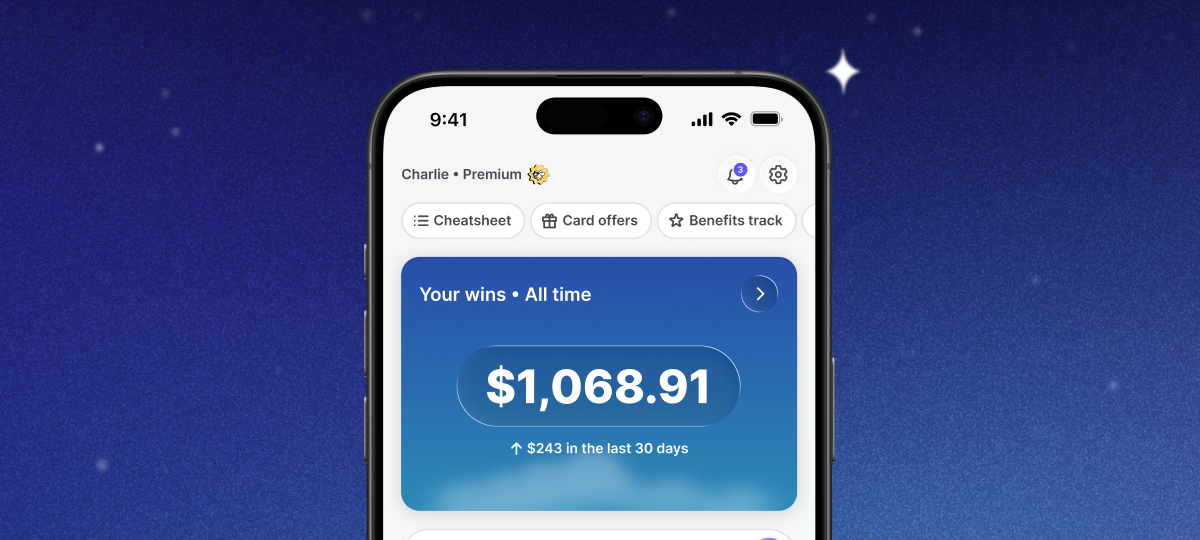
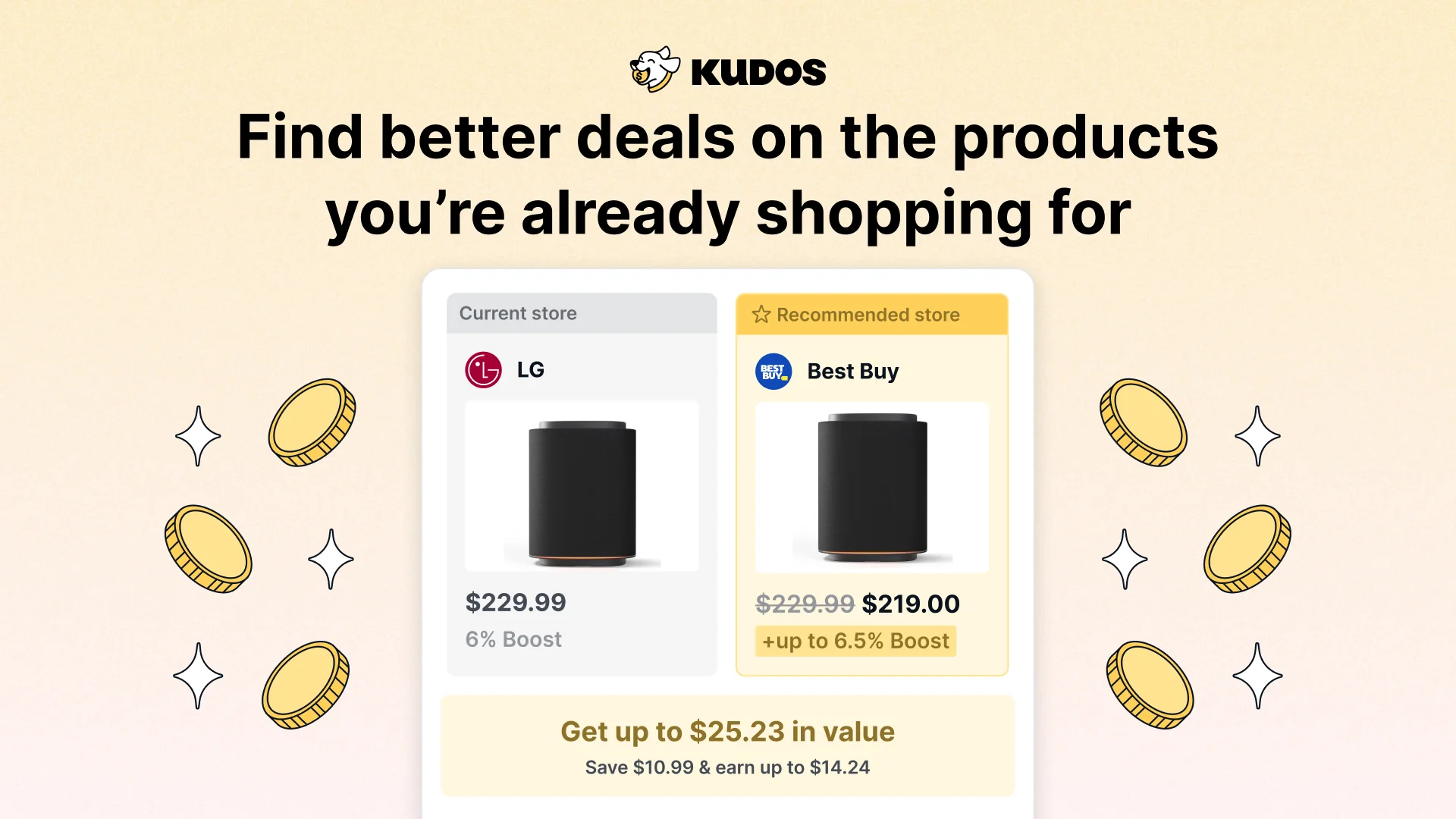
That is the problem Kudos was built to solve. Link the cards you already have, and at checkout, Kudos tells you which one earns the most on that purchase. No new application, no annual fee, no hard pull, and no gambling. The median Kudos member who has earned through Boost has earned at least $100.
Bottom Line
Coverd is a genuinely interesting product, and the launch numbers suggest real consumer demand. If you are the type of person who enjoys the thrill of variable rewards and you understand what you are signing up for, it might be worth a look.
But if your goal is to reliably maximize what you earn on every purchase, a gamified model with unpredictable returns is probably not the most efficient path. The smarter move is to use the cards you already have more strategically.
That is free to do, and it starts now.

Unlock your extra benefits when you become a Kudos member



Turn your online shopping into even more rewards


Join over 400,000 members simplifying their finances


Editorial Disclosure: Opinions expressed here are those of Kudos alone, not those of any bank, credit card issuer, hotel, airline, or other entity. This content has not been reviewed, approved or otherwise endorsed by any of the entities included within the post.
.webp)

.webp)

.webp)